
Baby Carriers for Hiking and Outdoor Dads
Taking your kid on the trail is one of the best things you can do together. Here's how to pick the right carrier for the outdoors.
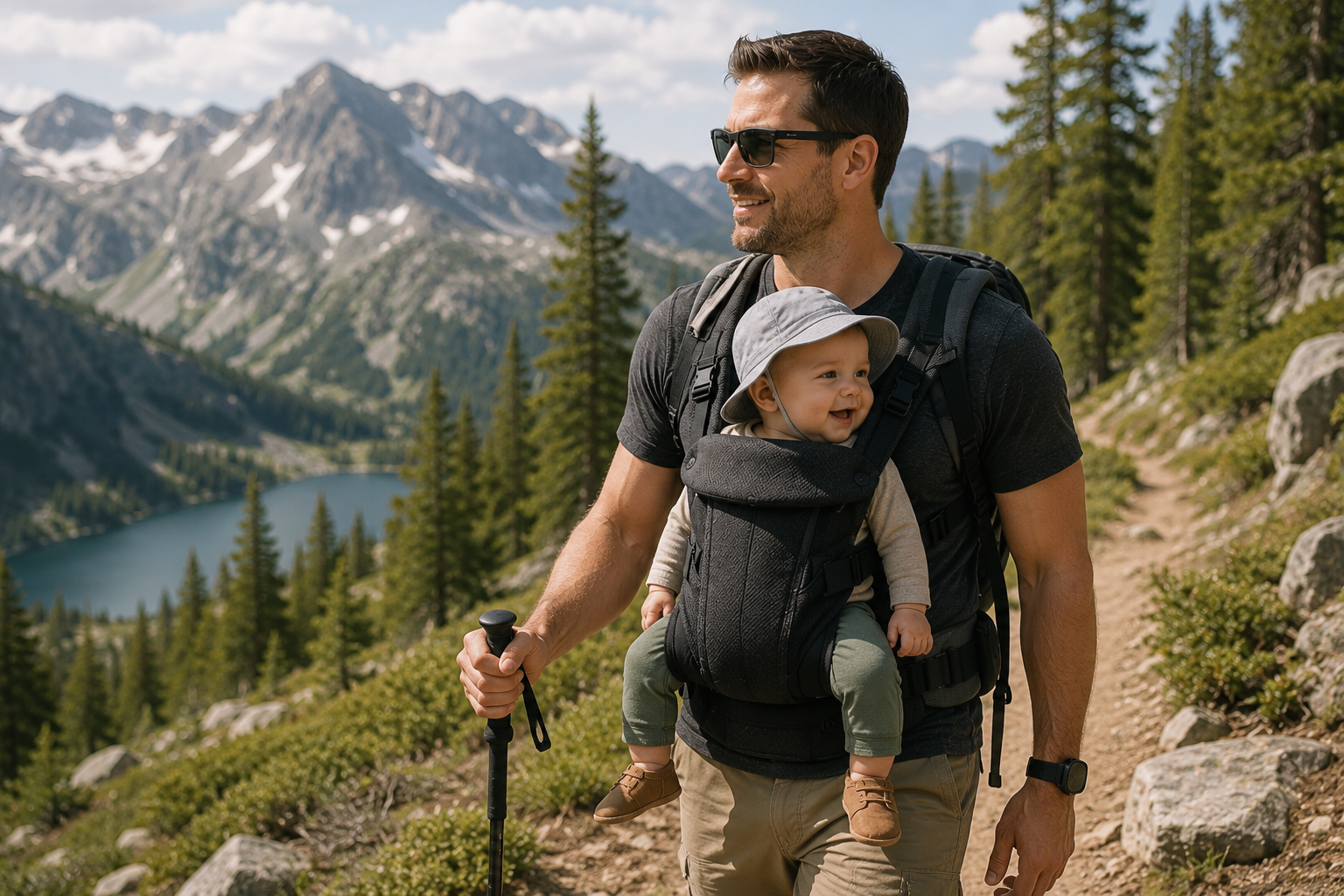
Getting outside with a baby doesn’t have to wait until they can walk. Some of my best early memories with my kids are from hikes I did with them strapped to my chest or back before they were a year old. You just need the right gear for the terrain.
The Two Categories
Soft structured carriers (SSCs) and framed backpack carriers. They solve different problems and are appropriate for different ages and distances.
If your kid is under about six months or under fifteen pounds, you’re in SSC territory. Framed carriers require the baby to have solid head and trunk control. Most manufacturers recommend waiting until six months minimum, and some say nine. Before that, a structured carrier like an Ergobaby or LILLEbaby handles short hikes, nature walks, and anything on a relatively even surface.
Once your kid is old enough for a framed carrier, the game changes. For serious hiking, a framed backpack carrier is almost always the better tool.
Why Framed Carriers Are Worth It for Trail Hiking
Weight distribution. That’s the whole thing. A soft structured carrier puts the load mostly on your shoulders and lower back. Fine for an hour. Rough after two. A framed carrier with a proper hipbelt transfers the majority of the weight to your hips, the same way a good backpacking pack does. You can carry a thirty-pound toddler for several miles without wrecking yourself.
They also have storage. Most framed carriers have a storage compartment under the seat, sometimes a front daypack too. You can carry diapers, snacks, a rain layer, water, and sunscreen without needing a separate pack.
Sun hoods and weather protection are built in to most framed carriers. This matters more than people realize when you’re at elevation or on an exposed ridge.
Framed Carriers Worth Knowing
The Osprey Poco Plus is the one most outdoor-oriented dads end up with. It fits well on bigger frames, has excellent lumbar support, and comes with a sunshade and a small storage area. Osprey’s fit and warranty are both excellent.
The Deuter Kid Comfort series is the other main contender. Built like serious hiking gear, good hipbelt adjustment range, and it’s been around long enough that the design is dialed in. The active version has a more flexible frame for dynamic movement.
The Thule Sapling is newer and has a more streamlined look if that matters to you. The seat design and kickstand (for loading without a second person) are both well thought out.
What to Skip
Generic or budget framed carriers from brands without an outdoor pedigree. The hipbelts don’t transfer weight properly, the frames flex in the wrong places, and the fit adjustment range is usually too narrow. You’re trusting this thing on a trail with your kid in it. It’s worth buying from a company that knows hiking gear.
SSCs That Handle Light Trail Use
If you’re doing nature walks, groomed paths, or anything under a mile on moderate terrain with a younger baby, your regular SSC is fine. The Ergobaby Omni 360 and the LILLEbaby Complete handle this without any special outdoor version. Just make sure the fit is snug enough that the baby isn’t swaying around on uneven footing, and bring a hat or muslin to manage sun exposure since most SSCs don’t have built-in hoods.
A Few Practical Notes
Always check the trail before you go. “Hiking with a baby” on a smooth two-mile loop is very different from a five-mile climb with roots and rocks. Start with something you’ve done before, know the weather window, and bring more water than you think you need. You’re carrying more weight than usual and you’ll move slower.
Load the carrier with the baby sitting down, not standing. Most framed carriers have a kickstand for exactly this reason. Bending forward to lift a squirming toddler into a back carrier while standing is how backs get tweaked.
The mirror visor trick: clip a small wide-angle mirror to the front shoulder strap so you can check on a rear-facing baby without taking the carrier off. Cheap accessory, very useful.
The Short Version
Under six months or under fifteen pounds: use your SSC for trail use. Over six months and planning real hikes: invest in a framed carrier. Osprey Poco Plus or Deuter Kid Comfort are the two I’d recommend. Start on trails you know, build up from there.

Written by
Chris Bysocki
Dad of two (a 6-year-old daughter and a 3-year-old son), homeowner, and guy who learns most things the hard way. Writing about parenting, tools, yard work, and gear from a neighborhood in the real world.
More in this category
Ask Chris
Got a question about this topic — or anything dad-related? Send it over. I read every one.