
Curb Appeal Upgrades That Actually Move the Needle
Most dads start with the wrong things. Here's what actually makes your home look sharp from the street — in order of impact.
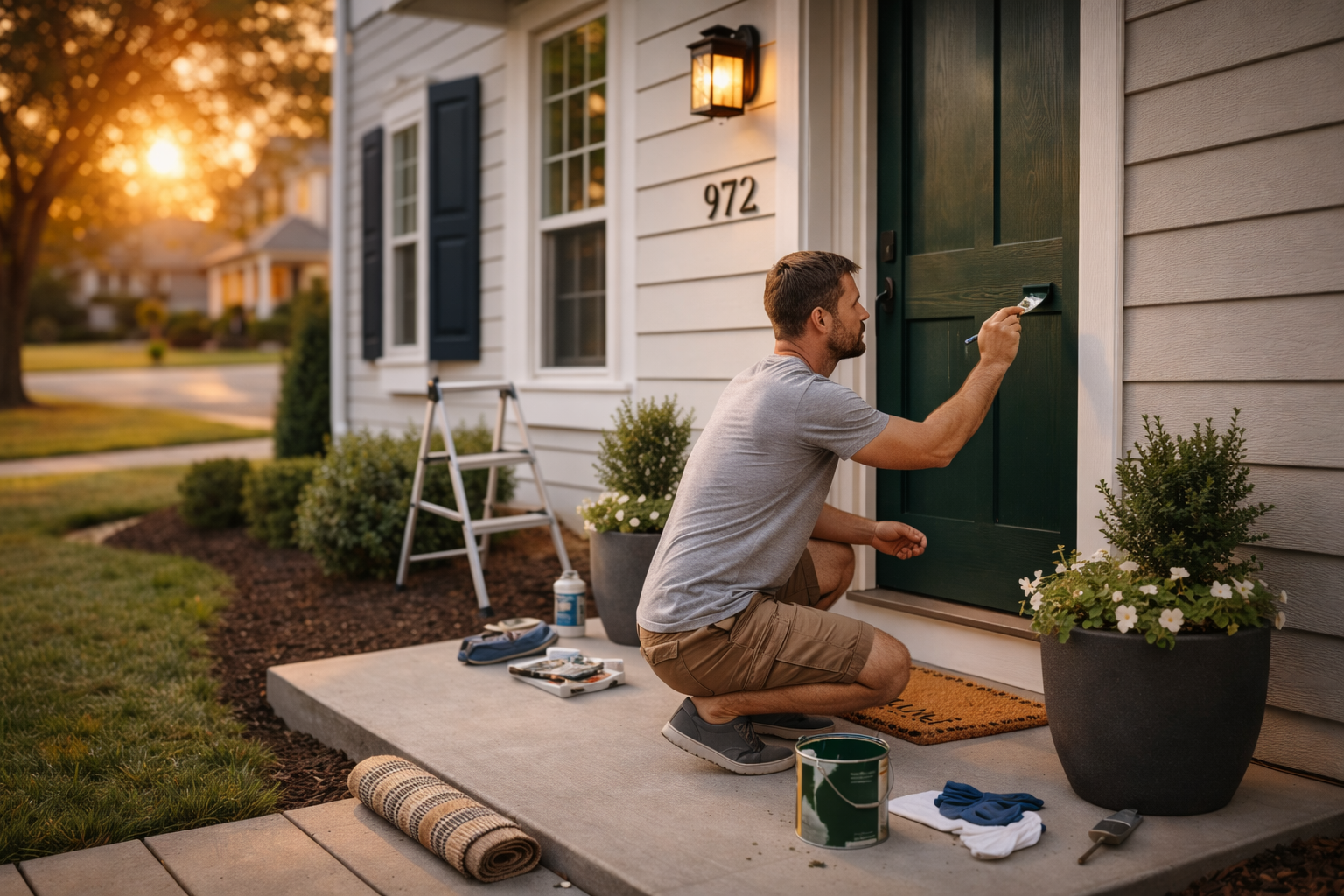
Most curb appeal advice skips straight to new plants and hardscaping. That’s backwards. The highest-impact improvements are maintenance tasks that cost almost nothing — and they’re the ones most dads put off because they don’t feel like “projects.”
Here’s what actually changes how your house looks from the street, in order of impact.
1. Edge Everything
If you do one thing, do this. Clean edges along your driveway, walkways, and bed borders signal that someone pays attention to this property. Shaggy, overgrown edges make everything else look unkempt regardless of what else you’ve done.
A half-moon edger along sidewalks and driveways, and a spade or bed edger along garden beds, takes two hours and costs nothing if you have the tool. A stick edger on a string trimmer does it in half the time if you flip it on its side.
The difference before and after is dramatic. Visitors may not be able to articulate what changed, but they’ll notice it.
2. Pressure Wash
Concrete, brick, and vinyl siding accumulate years of algae, oxidation, and grime slowly enough that you stop seeing it. A pressure washer makes it visible — and then gone.
For most houses, you’re looking at: the driveway and front walkway, the front steps, the porch or stoop, the lower siding, and the garage door. Start with 1,500–2,000 PSI for concrete and 1,200–1,500 PSI for siding. Work in even passes, overlap slightly, and hold the wand at a consistent distance.
If you don’t own a pressure washer, rentals run $60–$90 for a half day. For the amount of ground you can cover, it’s one of the best returns on an afternoon you’ll find.
3. Fresh Mulch in Visible Beds
After edging, fresh mulch does more than anything else for the look of your front beds. It unifies everything — plants that were looking scraggly in old, faded mulch suddenly look intentional.
Two to three inches is the target. Pull it back a few inches from any tree trunks and shrub stems. If your existing mulch is more than two years old or has faded to gray, don’t try to revive it — top-dress with an inch of fresh material or pull the old stuff and start clean.
Shredded hardwood bark in dark brown is the standard choice for front landscaping. It photographs well, lasts a full season, and makes everything around it look sharper. If you have a lot of ground to cover, bulk mulch from a landscape supplier is significantly cheaper than bags — do the math before loading up a cart at the hardware store.
For everything you need to know about mulch types, depths, and common mistakes, I put it all in one place: The Truth About Mulch.
4. The Front Door
Paint, hardware, and house numbers. This one gets talked about constantly, and the reason is that it works.
Your front door has more visual weight from the street than people realize because it’s often the only strong color on the front of the house. A faded, peeling, or builder-beige door is a missed opportunity. A door painted in a confident color that works with your brick or siding reads as intentional and cared-for.
Dark colors work on most houses: navy, charcoal, deep green, black. Test a swatch and look at it in different light before committing, but don’t overthink it.
While you’re at it: new house numbers in a finish that matches your door hardware ($15–$30 at any hardware store), and a new door handle or lockset if yours is tarnished or mismatched. Total cost including paint is usually under $100. Total time: a Saturday afternoon.
5. Mow Tight, Mow Straight
This is the lawn equivalent of edging: discipline over drama. A freshly mowed lawn with clean lines looks significantly better than one that’s been cut whenever someone got around to it.
During the growing season, cut at the right height for your grass type — most cool-season grasses do well at 3 to 3.5 inches, not scalped down to an inch and a half. Shorter isn’t better. Scalped lawns go brown faster, invite weeds, and stress out in heat. Taller grass shades the soil, holds moisture, and looks lush.
Alternate your mowing direction every couple of times to avoid ruts and get the striping effect that makes lawns look like ballparks. It’s not complicated — just change the angle.
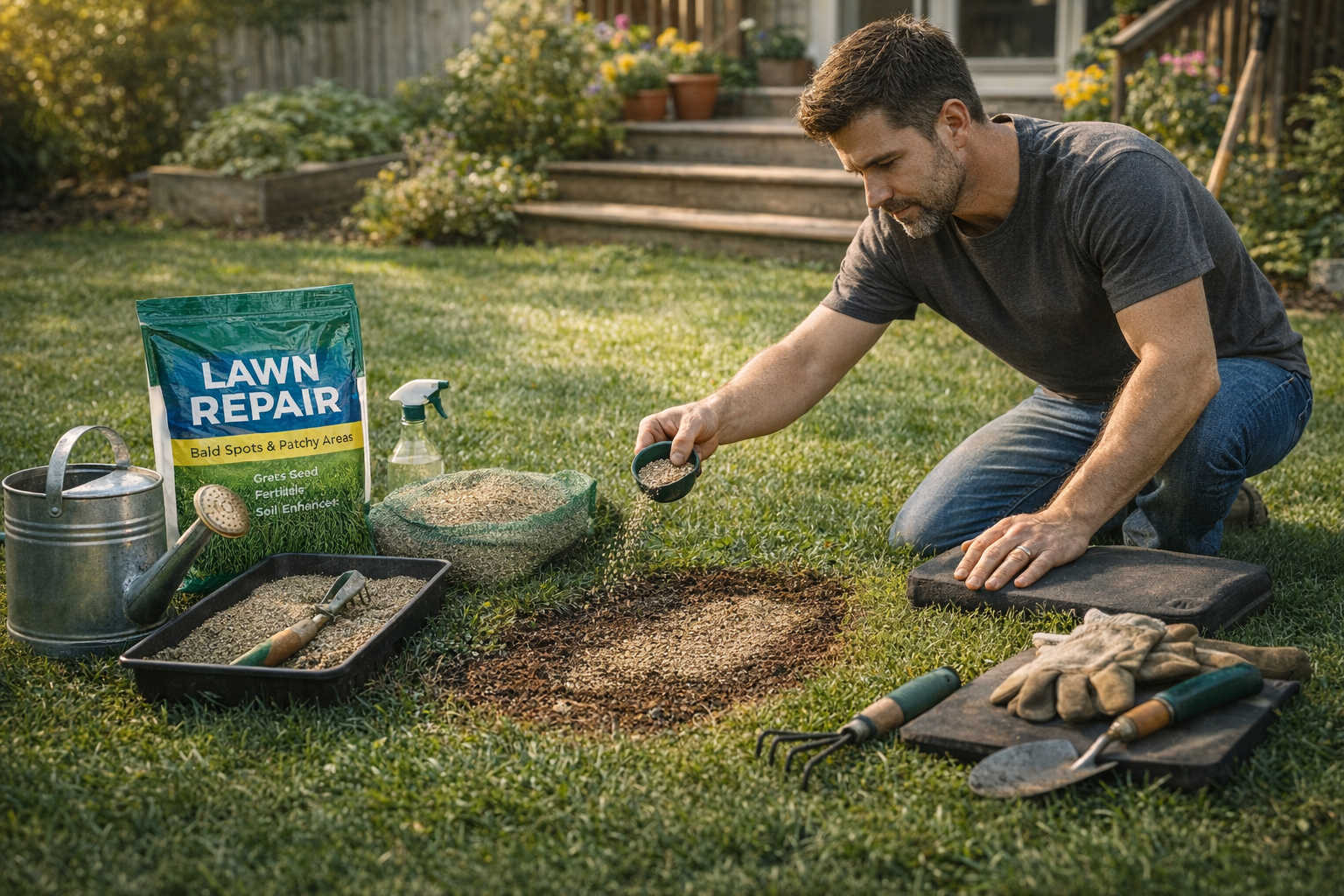
If you’ve got bare patches dragging down the overall look, fix those first before investing in anything else. A spotty lawn undermines everything around it.
6. Window Boxes or Seasonal Containers
One flat of annuals in the right spot does more than a full landscaping overhaul most of the time. The key word is “right spot” — don’t scatter color randomly.
Focus on the front door and any beds that flank the main walkway. Window boxes work well on ranches or colonials with front-facing windows. Large containers on either side of the entrance steps are the easiest and most impactful use of seasonal color.
Choose one or two colors and repeat them. Three different colors in three different pots looks busy from the street. Two matching containers with the same plant at matching height looks intentional.
Coleus, begonias, and impatiens work in shade. Petunias, geraniums, and calibrachoa handle sun well. All of them fill in fast and stay colorful through fall.
7. Lighting
Curb appeal doesn’t stop at sunset, and this is the most neglected category.
Solar path lights along the main walkway, and an updated porch light fixture, are the two highest-impact changes. The porch light is visible any time someone approaches your front door at night — if it’s the original builder-grade fixture with a foggy globe and a 40-watt incandescent, it’s making the front of your house look older than it is.
LED bulbs with 2700K color temperature (warm white) are the right choice for outdoor fixtures near the front door. Daylight (5000K) looks harsh and clinical against warm house colors. The fixture itself doesn’t need to be expensive — finish matching your door hardware, $30–$80, and a ten-minute swap.
Where Not to Start
Two common curb appeal traps worth mentioning:
New landscaping without cleanup. Adding plants, shrubs, or hardscaping before you’ve cleaned up the existing beds is throwing good money into a mess. Edging, mulching, and weeding first will make you realize you may not need much more.
Decorative stuff before functional stuff. Shutters, window trim, and decorative touches are visible — but cracked soffits, peeling paint on the fascia, and sagging gutters are more visible. Fix what’s broken before you add anything new. Nobody notices your new door wreath if the gutter above it is pulling away from the house.
The houses that look best from the street aren’t the ones with the most expensive landscaping. They’re the ones where the basics are done consistently: edged clean, mowed tight, mulched fresh, painted where needed. Do those first, and the house looks maintained. That’s what actually matters.

Written by
Chris Bysocki
Dad of two (a 6-year-old daughter and a 3-year-old son), homeowner, and guy who learns most things the hard way. Writing about parenting, tools, yard work, and gear from a neighborhood in the real world.
More in this category

Ask Chris
Got a question about this topic — or anything dad-related? Send it over. I read every one.