
The Best Work Boots for Dads Who Actually Work
Not all work boots are created equal. After destroying four pairs in five years, here's what I look for now and what's actually worth the money.
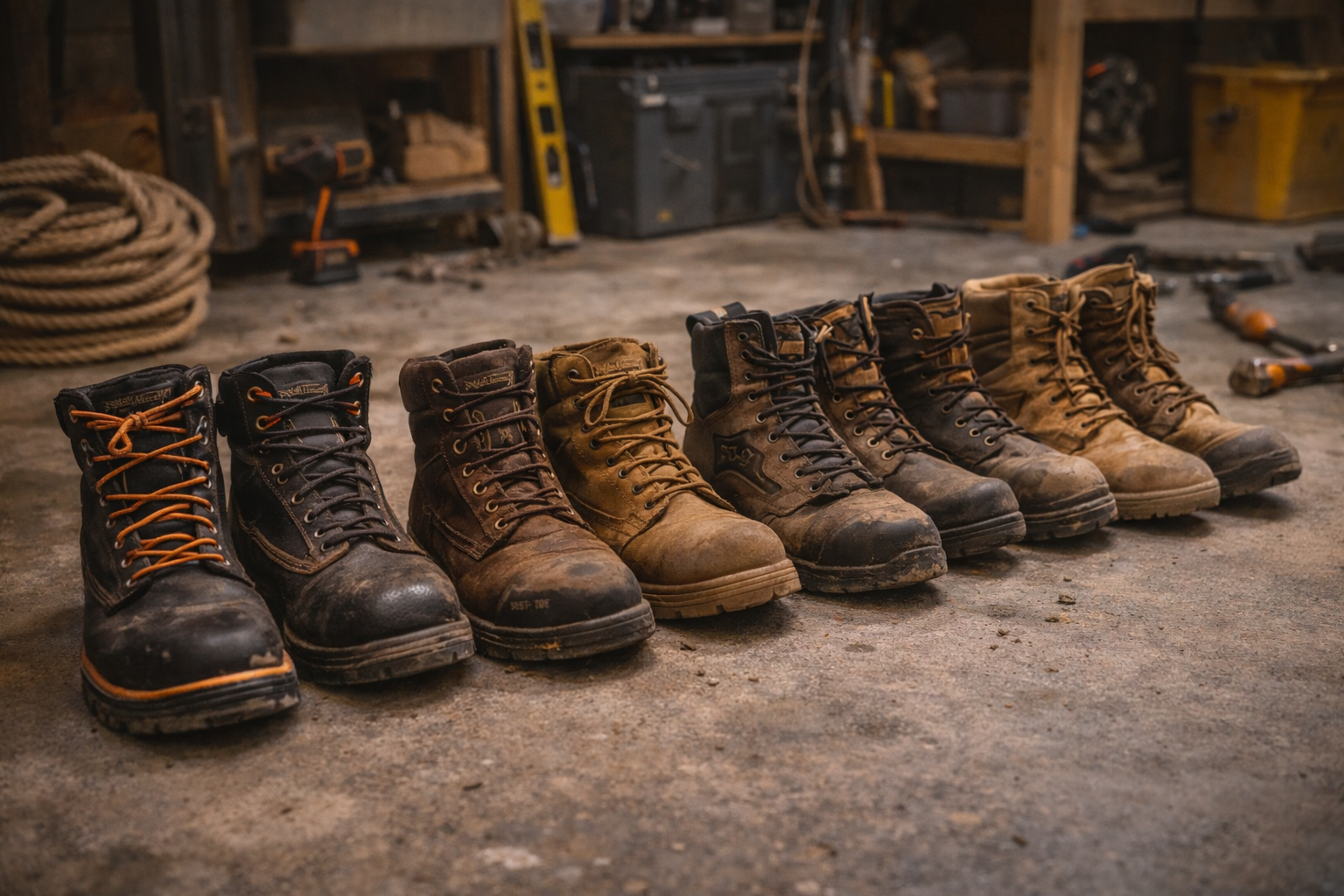
I spent years buying $60 work boots that fell apart in eight months. It felt like the economical choice until I did the math: three pairs in two years at $60 is $180, versus one good pair at $160 that lasts four years. I was saving money by spending more money on worse boots. Classic.
What Actually Matters in a Work Boot
Sole quality is everything. A Goodyear welt or cemented construction with a quality rubber compound outsole will last years. Cheap glued soles delaminate. If the boot can be resoled, that’s a sign it was built to last.
Upper material matters too. Full-grain leather is the most durable and develops a waterproof patina over time. Nubuck is softer but less scuff-resistant. Synthetic uppers are lighter and cheaper but don’t age as well.
Toe Protection
Steel toe is the classic. Heavy and cold in winter. Composite toe is lighter, doesn’t conduct cold or heat, and won’t set off metal detectors if that’s relevant to your life. Soft toe if you’re doing yard work and light projects. Know your actual hazard level.
Fit Is Non-Negotiable
Work boots should fit with the socks you’ll actually wear them with. Your heel should not lift. Your toes should have a thumb’s width of space at the front. Boots that don’t fit correctly cause foot fatigue that compounds into knee and back issues over a day of real work.
Break-In Time
Good leather boots have a break-in period. Wear them around the house for a week before a full day of work. Leather conditioner helps.
Buy once, cry once. Then work comfortably for years.

Written by
Chris Bysocki
Dad of two (a 6-year-old daughter and a 3-year-old son), homeowner, and guy who learns most things the hard way. Writing about parenting, tools, yard work, and gear from a neighborhood in the real world.
More in this category



Ask Chris
Got a question about this topic — or anything dad-related? Send it over. I read every one.